
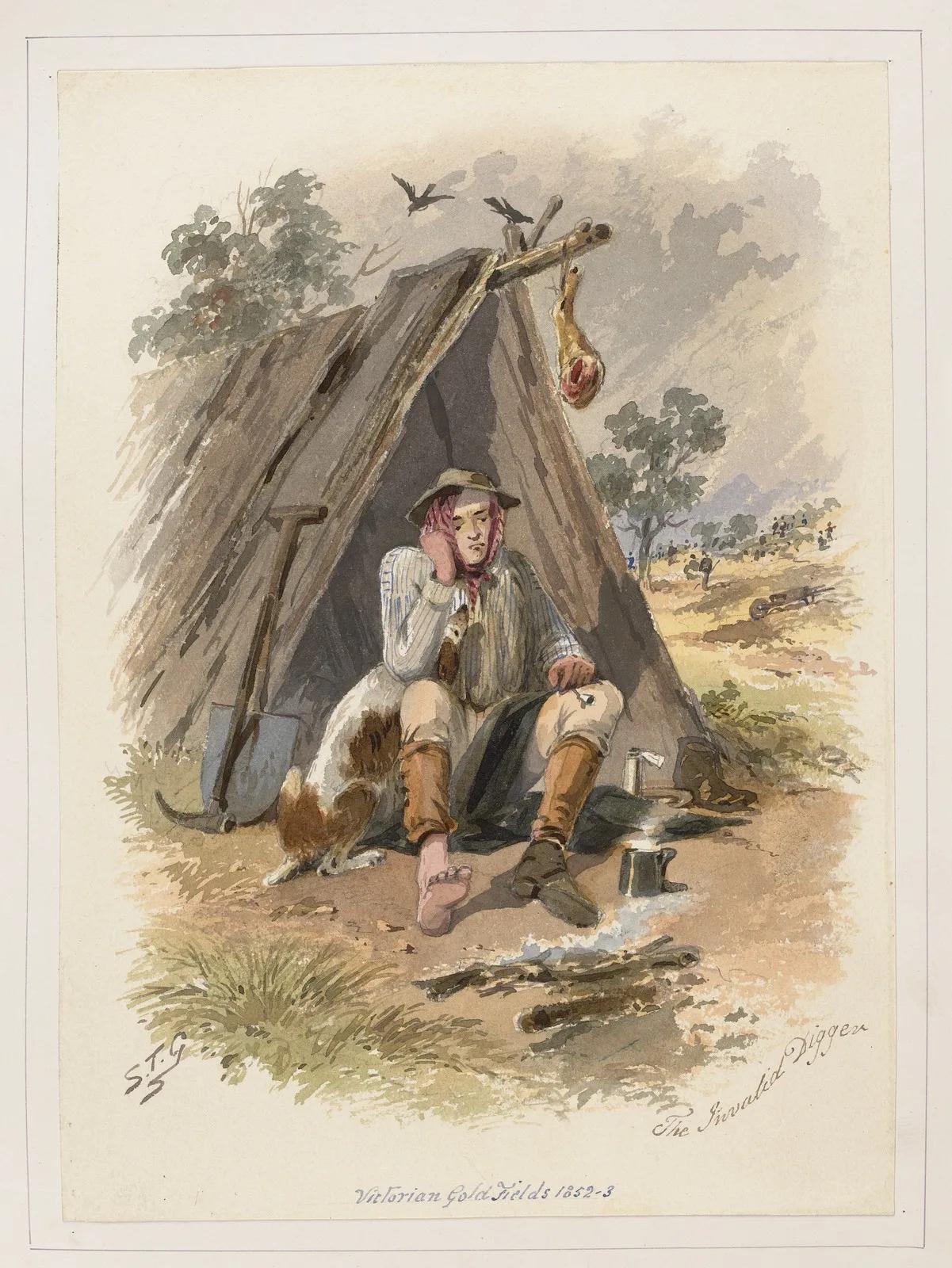
When we think of the Ballarat gold rush, we often imagine glittering fortunes and tales of triumphant discovery. But for many who arrived on the goldfields in the 1850s, survival was the real victory. A better life didn’t just depend on striking gold – it depended on staying healthy long enough to enjoy it.
This is a story not of riches, but resilience. Here’s what it really took to stay alive and well on the diggings.
Underground peril: Mining as a death trap
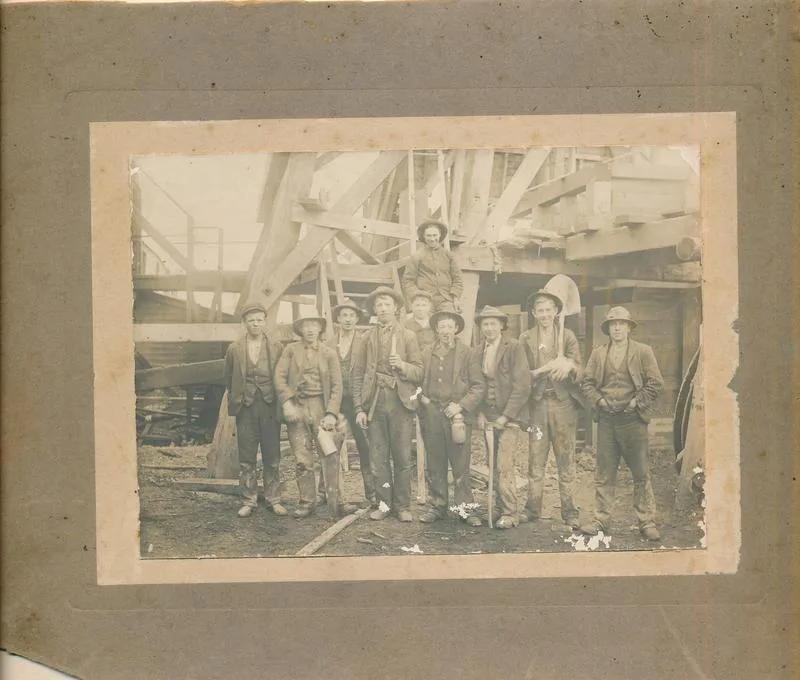
Mining was dangerous from the start – and it only got deadlier the deeper you dug. In Ballarat, mineshafts reached over 30 metres (100 feet) deep by 1853 and digging for gold could also mean digging your own grave if you weren’t careful.
Without proper timbering, tunnels collapsed under unstable ground. Falling earth could crush or suffocate miners. Flooding was also a constant threat, with miners needing to continually bail out water or risk drowning.
Then there was 'foul air'- toxic carbon dioxide from decomposing vegetation underground. It caused headaches, vomiting, and sometimes death. Clever miners installed windsails over their shafts to funnel fresh air below.
Even the equipment posed threats. Kibble buckets, used to transport material from below, could easily slip off an ‘S’ hook which was used to attach the bucket to rope. If this happened, the heavy metal wh bucket came crashing down the shaft causing injury or worse death. The safer 'Ballarat hook' was a local innovation that saved lives. Hard hats didn’t exist yet, so precautions like this mattered.
Mutton, damper, and deficiency: The diggers' diet
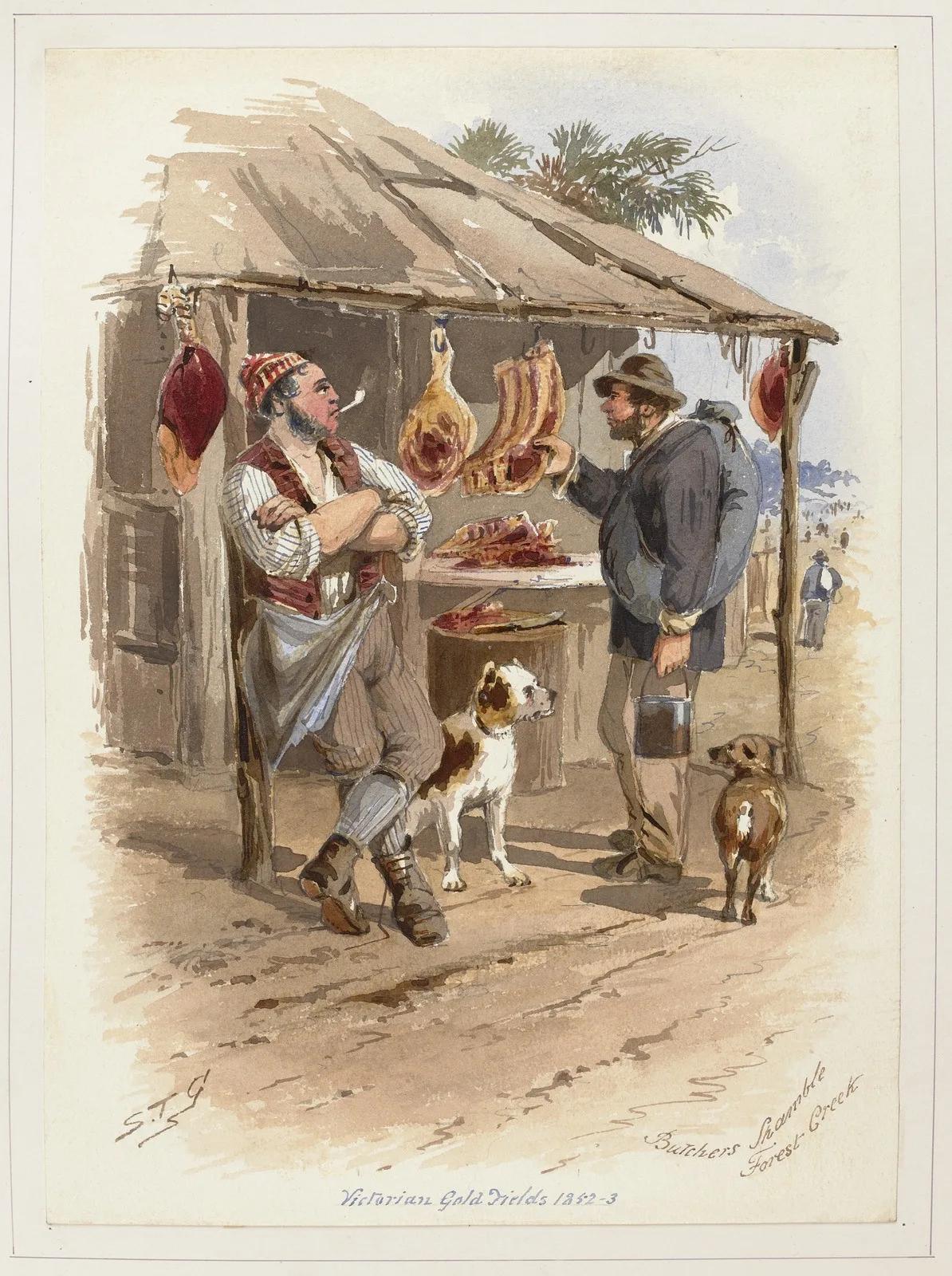
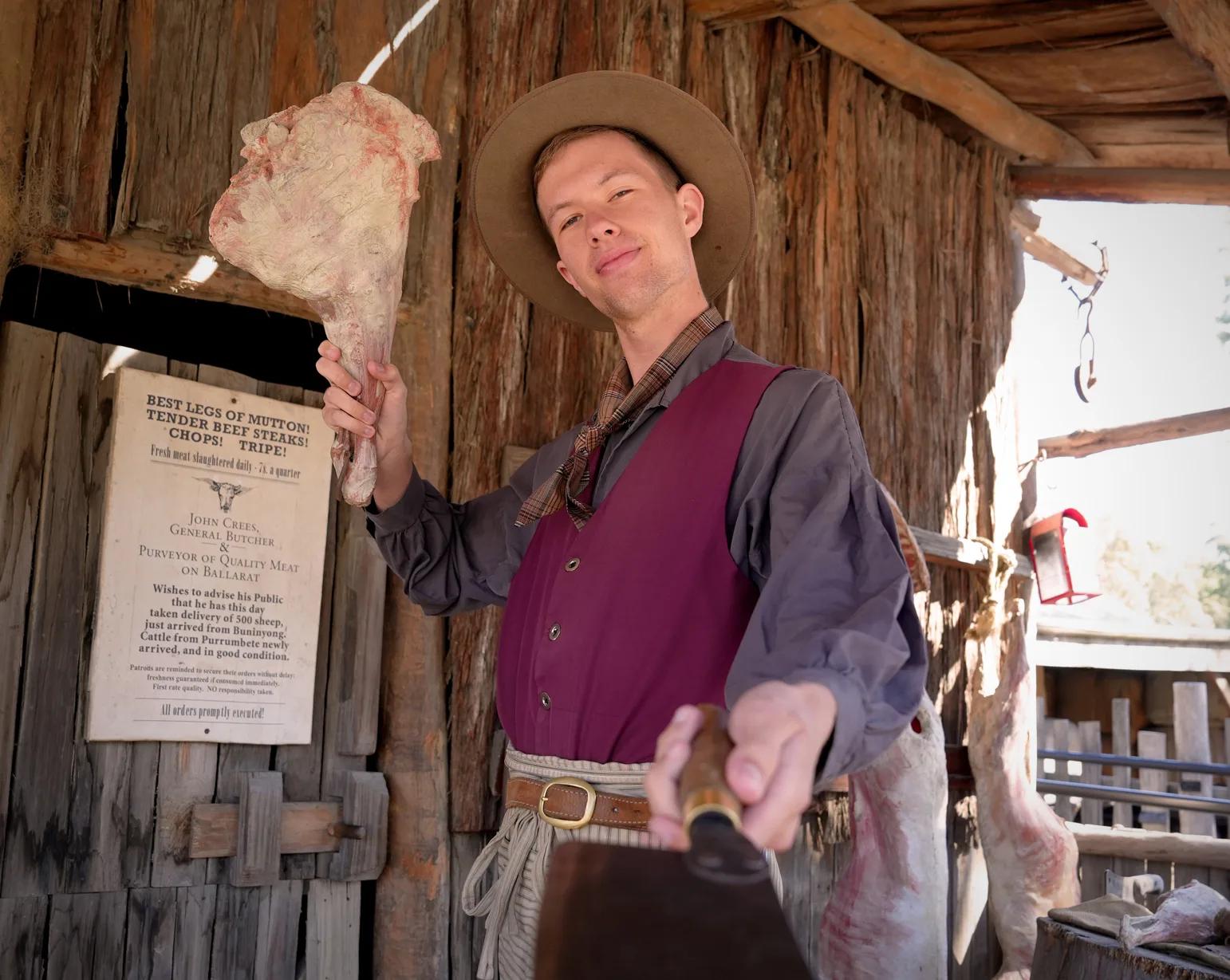
Nutrition was another minefield. Meals were monotonous and lacking in vital nutrients – mostly mutton (from old sheep) and damper (a simple flour-based bread). With fruit and vegetables scarce, especially during the first few years of the gold rushes, diggers suffered from constipation, scurvy, and weakened immune systems.
A sip too far: The dangers of sly grog
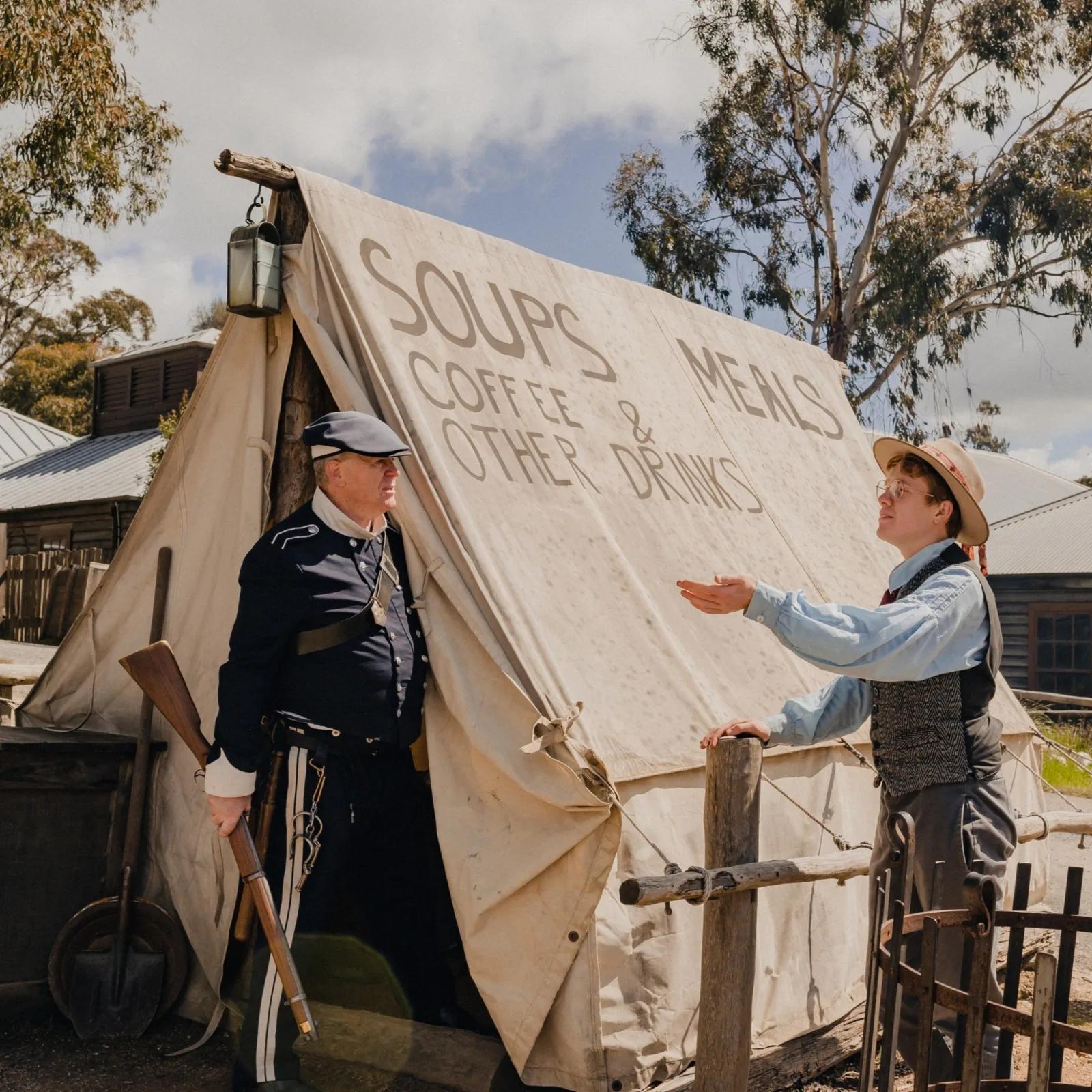
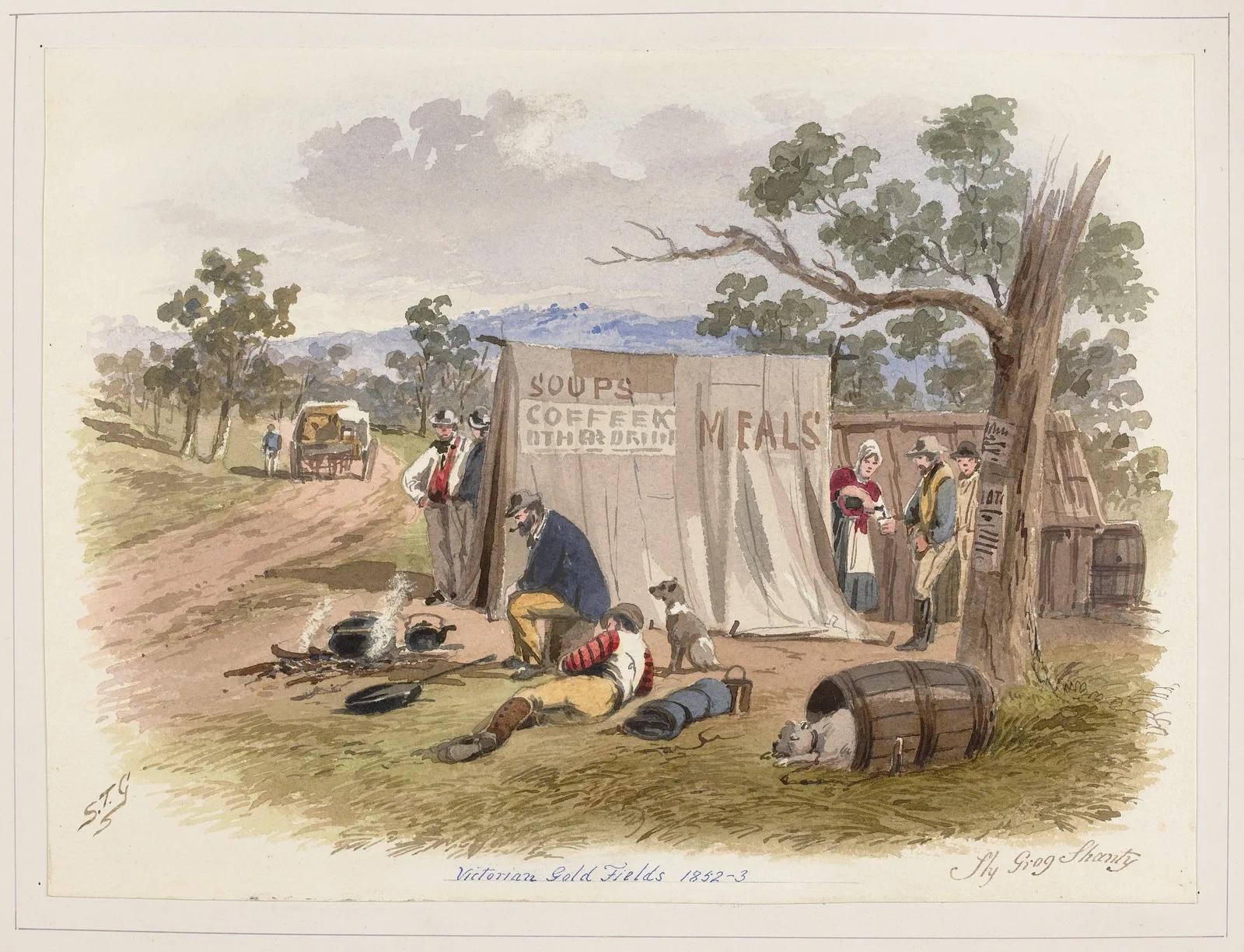
After a long day digging, many sought comfort in alcohol – despite it being banned until 1854. 'Sly grog' shops disguised as coffee sellers sold illegal liquor often adulterated with tobacco and drugs which gave them a dangerous kick. ‘Knock-out’ drinks were served to rob unsuspecting patrons.
Filthy water, deadly consequences
With no sewerage or drainage systems and contaminated creeks doubling as both bath and toilet, waterborne diseases like dysentery spread rapidly. Children were especially vulnerable, with many succumbing to infections from polluted water. Public health infrastructure was non-existent, and basic sanitation was left to individual effort or luck.
Who do you call when you’re ill?
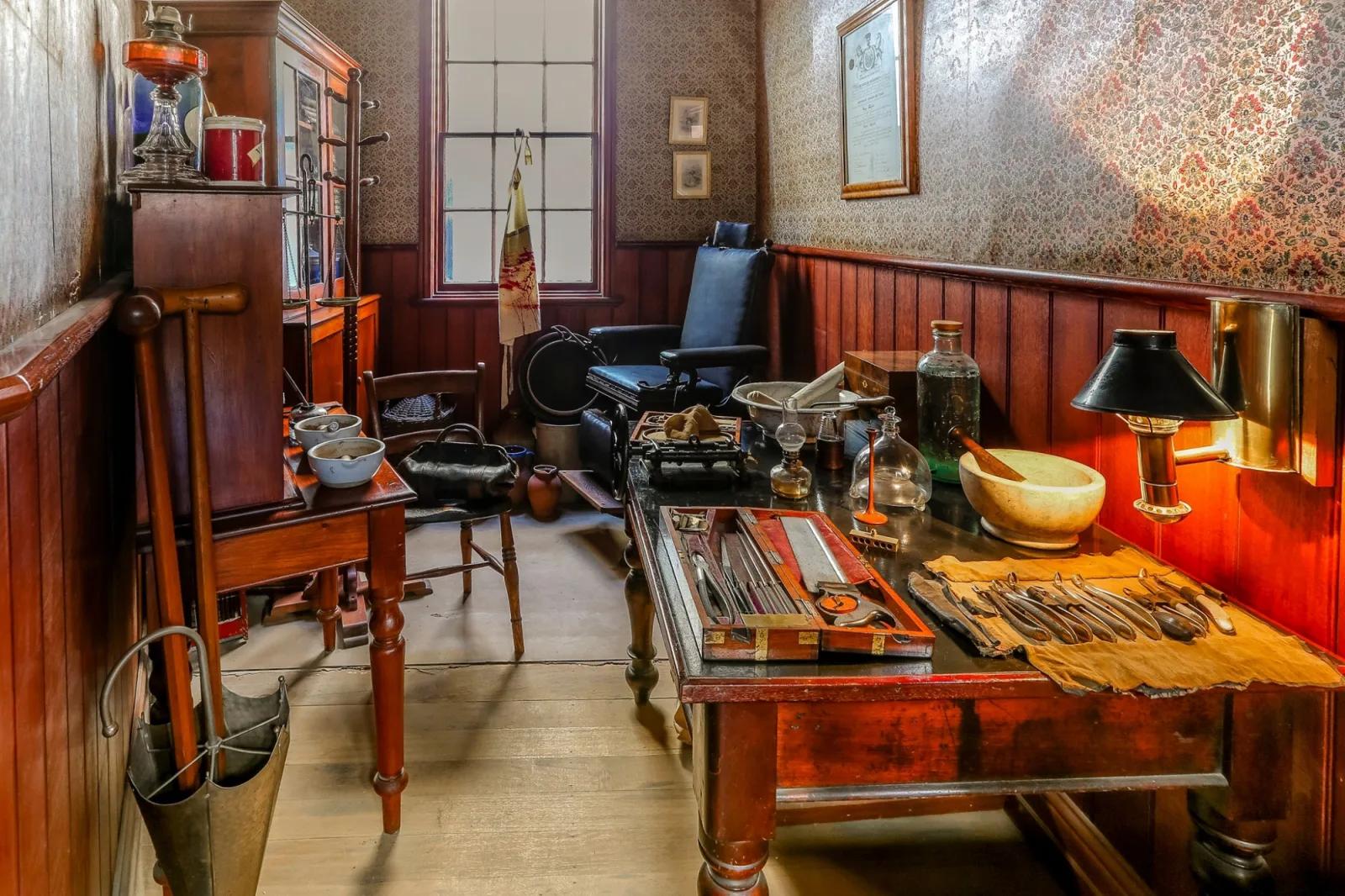
Doctors were present – but expensive. Some, like Dr Wakefield, were trained apothecaries, offering both diagnosis and medicine. But fees could be high – £1 per visit, when doctors in England charged just a few shillings.
Some doctors undercut others or charged nothing, prompting concerns about unqualified 'quacks'. Desperate diggers often turned to the Ballarat Hospital, where care was free for those who qualified as 'deserving poor' – if recommended by a board patron.
Pharmacies of dubious repute
Chemists and Druggists were another option for those in medical need. Without any formal education or regulation, they sold medicine, treated illnesses and some even performed surgery, such as pulling teeth. Retailers at heart, chemists and druggists made more than just medicine. From perfumes to pet treatments; from furniture polish to foodstuffs; from paints to dyes: all these goods and more could be found in a chemist and druggist shop, like William Robinson and Phillip Wayne’s Apothecaries’ Hall on Main Road, Ballarat.
From home remedies to cure-alls: The medicine cabinet of 1850s Ballarat
Some diggers relied on home remedies passed through generations. Others put their faith in “cure-alls” like Dr Holloway’s pills – a blend of aloes, ginger, soap, wax, lard and turpentine – marketed to treat everything from sore nipples to elephantiasis. Harsh purgatives, intended to empty the bowels or induce vomiting, were also common.
Humoral medicine: Bleed, purge, repeat
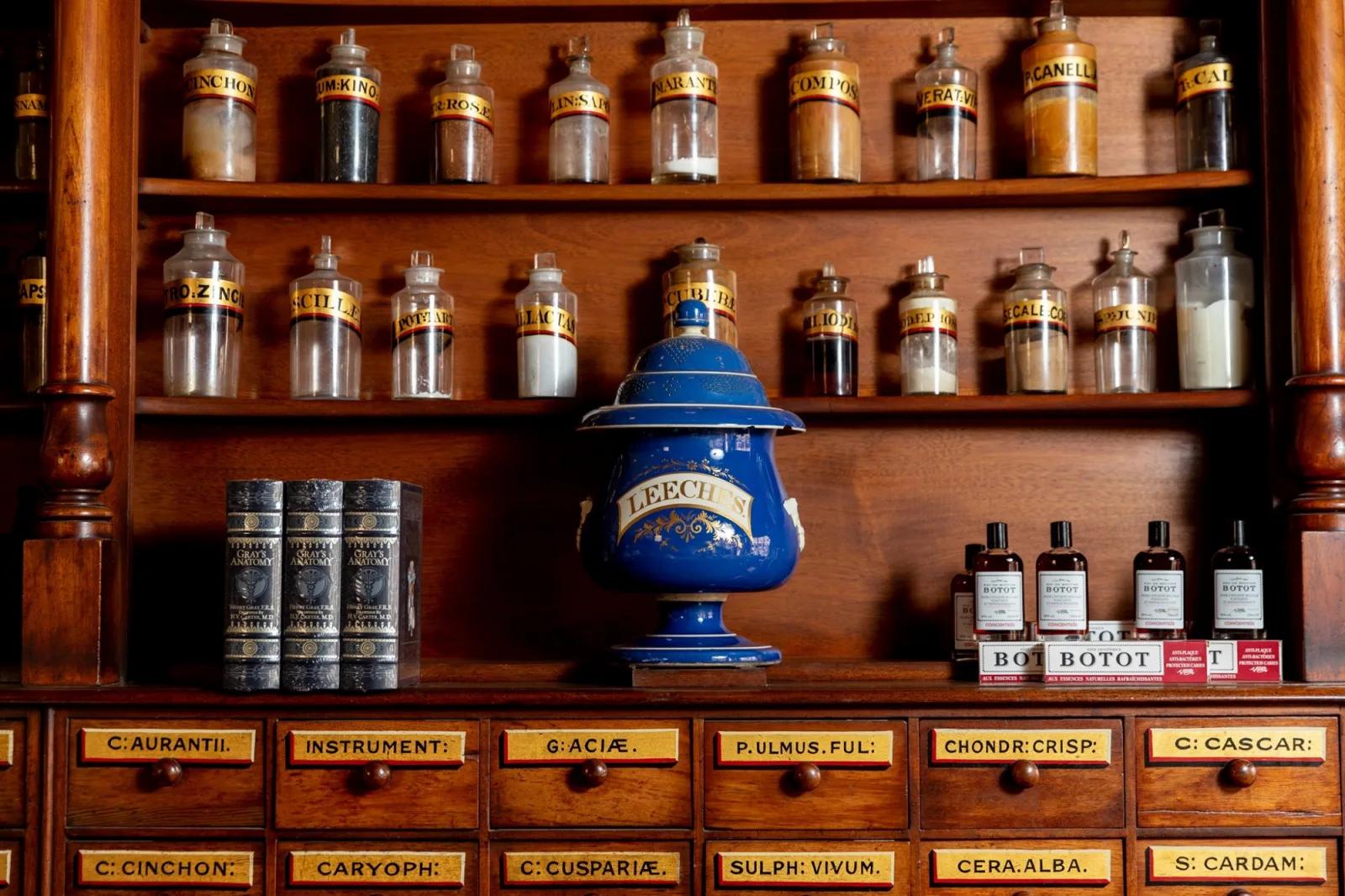
Western medical science of the time was still rooted in ancient theories of the four humours – blood, phlegm, yellow bile, and black bile. Illness, it was believed, stemmed from imbalances between these fluids.
Fever? Too much blood – so bloodletting was prescribed. Indigestion? Time for a purge. Though modern medicine was on the horizon, practices like leeching and vomiting remained common throughout the gold rush era.
Miasma and misunderstanding
The cholera epidemic that took thousands of lives in the nineteenth century encouraged scientists to look for new answers where humoral theory had failed. Miasma theory emerged as one of the responses to this deadly disease. Advocates of this theory believed that disease was caused by poisonous vapours - identified as bad smells produced by rotting animal and vegetable matter. To prevent disease, they promoted the need for cleanliness and sanitary reform in homes and hospitals as well as sewerage reform. While such actions had the potential to reduce the spread of diseases, like cholera and dysentery, they were not backed by any understanding of the really cause - germs.
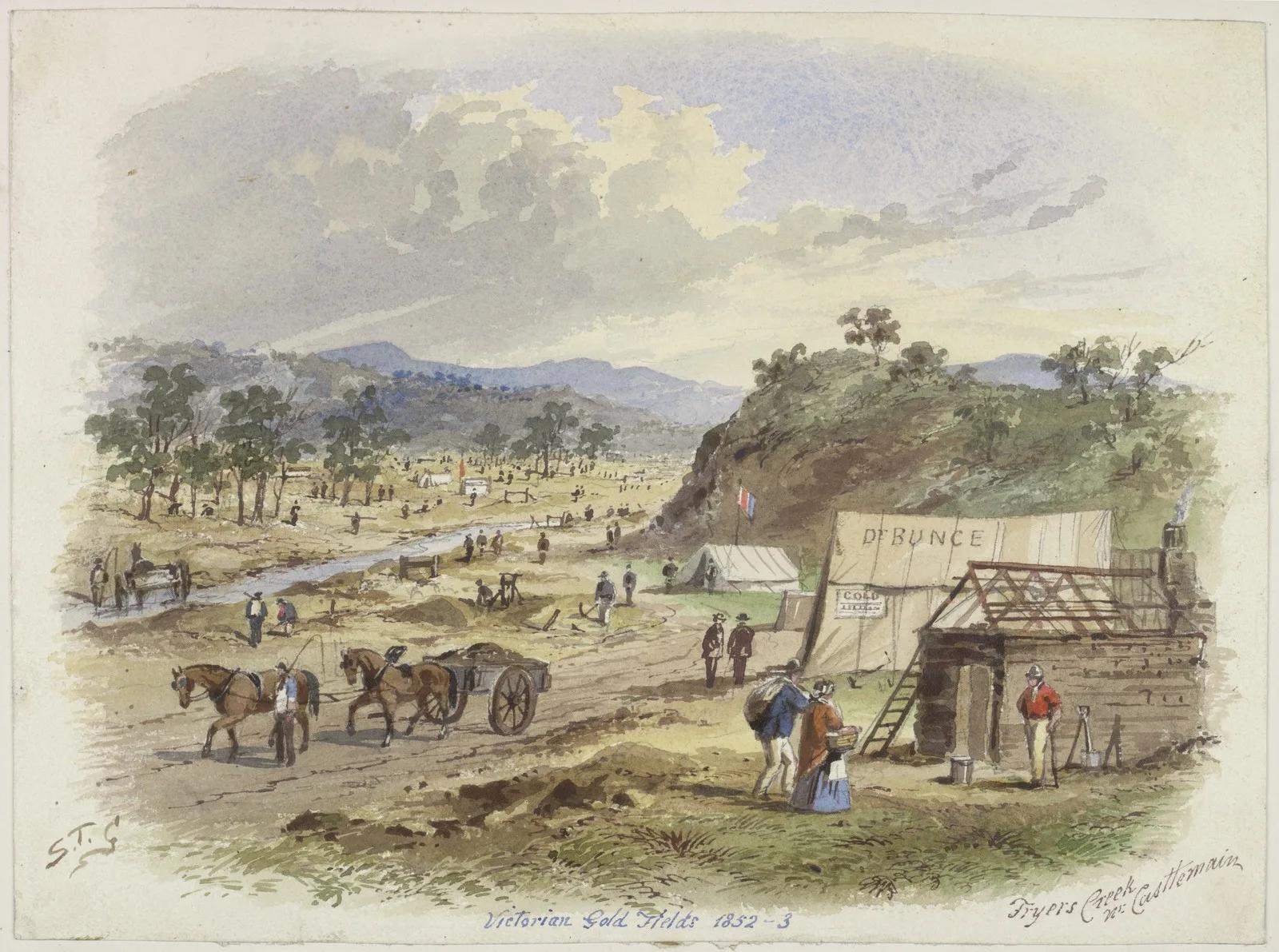
Sanitation meets legislation
Public health reform came slowly. This was partly due to a lack of understanding of how communicable diseases spread. The absence of coordinated waste disposal and clean water access also posed massive challenges, made worse by the transient nature of goldfields communities.
Eventually, governments began stepping in, creating legislation that supported health public reform. But it took time, and tragedy, to build the systems we now take for granted.
A glimpse into the health transition
In the 1850s, life expectancy across most of the world hovered around 30 years. Nearly half of all children died before adulthood. In Oceania, life expectancy began rising only after 1870, eventually reaching 79 by 2019. This improvement mirrors advances in sanitation, germ theory, and healthcare regulation.
The Ballarat goldfields was a microcosm of this transition: a brutal, often tragic stage on the long path to modern medicine and public health.
Gold wasn’t the only thing worth finding
While the promise of gold drew tens of thousands to places like Ballarat, those who endured the diggings often paid a price in health and hardship. Their trials sparked public health reforms, and laid the groundwork for systems that now protect us.
You might also be interested in


